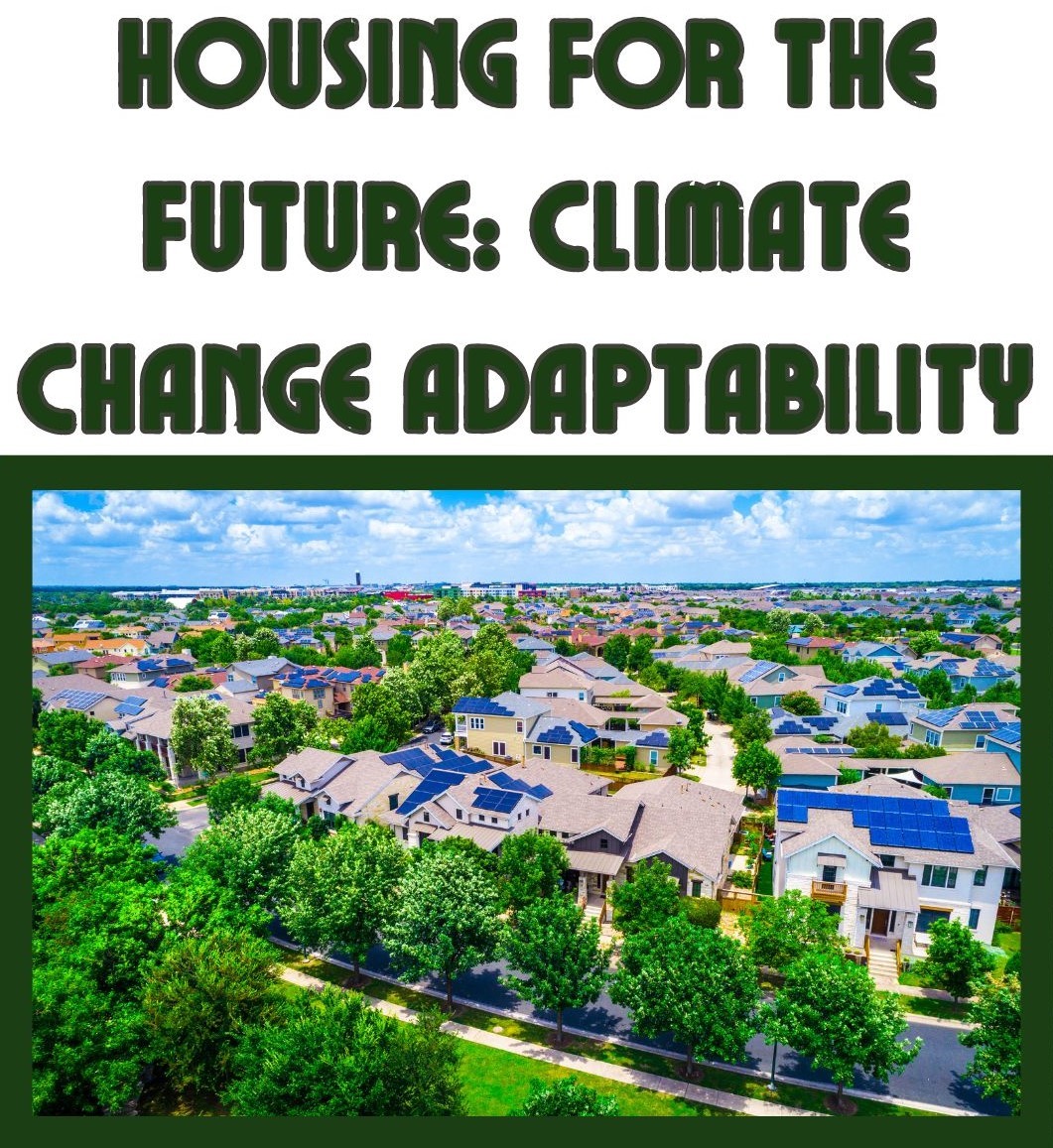
Among socio-economic and other factors, the undeniable reality, and various manifestations of the climate crisis, continue to have significant implications for the future of housing everywhere, including in Canada.
Adapting housing construction to meet resilience standards that help combat the wide-ranging impacts of extreme weather events, or retrofitting existing housing for greater energy efficiency will be key determinants in real estate transactions going forward.
Various surveys continue to reflect a growing interest among younger or first-time homebuyers in ensuring that their future home is adequately weatherproof or is protected by insurance cover that anticipates any extreme weather anomalies.
As a plethora of scientific evidence indicates, the extreme weather events seen during the last few years are expected to become increasingly common and more frequent in the years ahead if not enough is done to contain the current crisis at hand.
In this blog post, we will discuss this in greater detail and hope that first-time homebuyers or even existing homeowners are motivated to play a small, albeit significant role in building a safer and more sustainable future for themselves and future generations.
How does climate change impact housing and you?
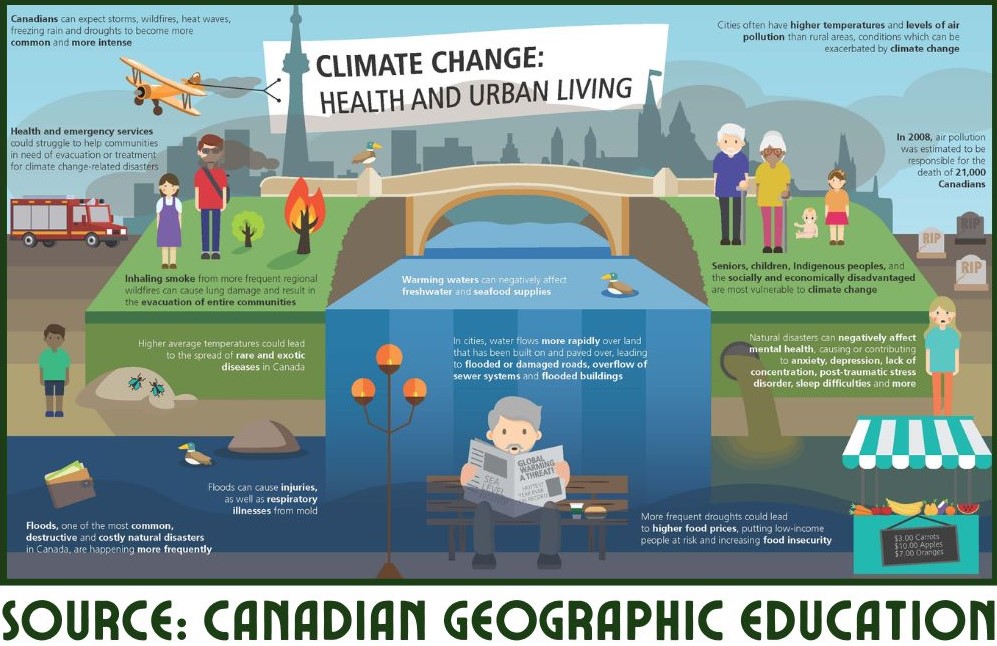
Various environmental and public-interest groups and overwhelming scientific data continue to sound the alarm bell on the serious threat that climate change-related risks pose to both human beings as well as the physical dwellings they reside in—whether it is towering apartment or condominium buildings, or independent homes.
Climate change will play a key role in determining home valuations in the coming years, with a recent report by the Centre on Climate Adaptation concluding that it could reduce the value of Canadian homes by as much as 15 percent by 2050. Natural disasters, such as flooding, wildfires, hurricanes, and other extreme weather events have already resulted in billions of dollars worth of insurance damage in just the last couple of years alone.
A recent Forbes magazine report revealed 64 percent of Americans chose to move this year citing the singular impacts of climate change and irregular weather patterns on their livelihoods and personal safety.
What can you do as a buyer or seller?
The exercise of buying a home for the first time is a formidable task in itself. Add to that the additional cost of insuring for climate change and the task can feel overwhelming. However, potential homebuyers should treat this as an expense that may not seem viable in the near term but will certainly protect them against any long-term climate-related losses, which if you are uninsured could prove to be devastating.
Extreme weather events induced by climate change can significantly damage existing buildings and infrastructure. As we have seen only last year, forest fires can potentially destroy vast neighborhoods and displace entire communities. Mold growth from flooding, structural or foundational damage caused by storms, etc. are all factors that will play a crucial role in determining real estate prices and sales in the future.
Having a climate risk assessment done in addition to a home evaluation when you consider buying a property is advisable. You should also budget for extra insurance costs to protect your future home against any potential weather-related damage. This is becoming increasingly common, though still not a norm in real estate sales.
More homeowners and homebuyers are choosing to take out additional endorsements to their existing or new insurance to protect their homes. The percentage of such individuals is highest among those who bought a home in the last two years.
Individuals looking to sell their homes should consider undertaking the expense to retrofit their homes to make them more energy efficient. As we mentioned last week, this year’s federal budget recognizes the importance of climate change adaptation needs and has allocated $903.5 million to launch a new and revised Canada Greener Homes Affordability Program.
It will support energy-efficient retrofits for Canadian homeowners, making it cheaper to heat your home. And could potentially improve the saleability of your property and help attract more buyers.
At RE/MAX Royal Team Sachdeva Realty, we understand that integrating this new but important aspect into your decision-making when buying or selling a home could be uncharted territory for many of you. As always, we are just a phone call away to help you if you need more information.
Have a great weekend!