
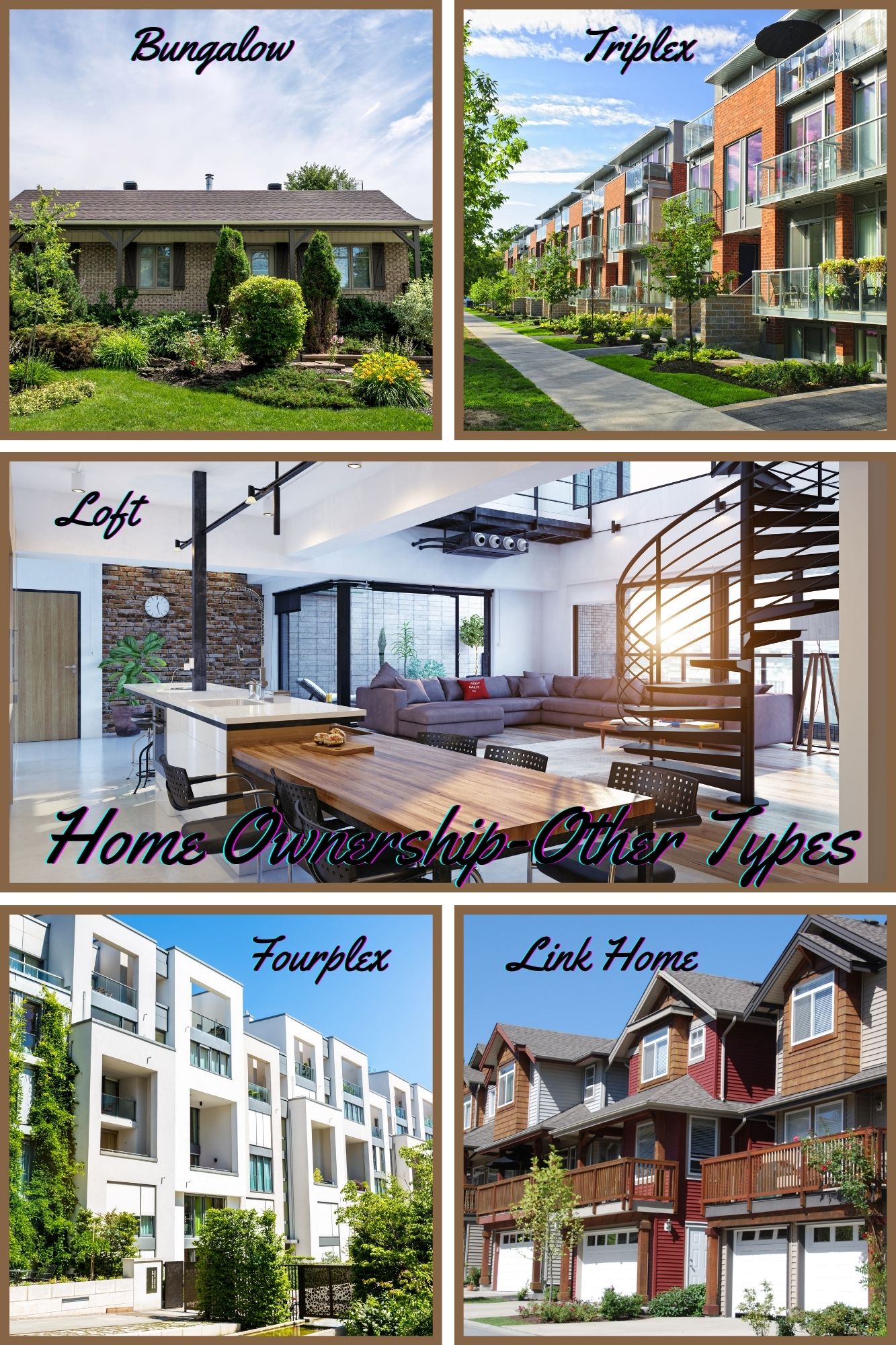
For the last few weeks, we have been sharing information on the different types of housing options available to home buyers in the Greater Toronto Area (GTA). While we’ve touched on the most easily identifiable and broad categories of housing, such as condominium apartments, condominium townhomes, semi-detached, and detached homes, today we’ll highlight certain housing types that a) might not necessarily fall under just one category or b) do not have the same recall value as the housing types or categories discussed in earlier blog posts.
The RE/MAX Royal Team Sachdeva Realty team has over two decades of experience in the region’s real estate market, helping first-time buyers, returning clients, and real estate investors make the right choices in the GTA’s fast-changing property landscape. With the milder winter season on its last legs, housing market activity is expected to pick up soon.
We hope that these weekly information digests have offered relevant and timely information that can help our readers understand and gain better insight into Toronto’s diverse housing market, especially for those of you who are considering buying or selling property this year.
Toronto housing options other than condos, townhomes, semis, and detached homes:
Link Houses – Often mistaken for detached homes, this type of housing appears to be physically detached from the neighboring property but is still linked in one way or another—either foundationally or through a shared basement or garage wall with the adjoining home—and is not easily apparent. For this reason, these homes are usually categorized as semi-detached housing and are popularly known as link homes.
A great option for first-time home buyers, these homes offer privacy to some of the extent that detached homes do and are more affordable than detached homes. However, given the “linked” aspect of their construction, it is difficult to make any physical changes or renovations to the main housing structure.
Lofts – This type of housing finds a distinctive appeal among young professionals or artists and is usually located in the heart of any urban center’s downtown core. Featuring high ceilings, large windows, and an open-concept layout, loft living can be further categorized into “soft” and “hard” lofts.
Both these categories share a common housing style, wherein a former industrial or commercial building or a warehouse has been converted into multiple housing units. A soft loft usually camouflages the raw or unfinished appeal of a hard loft with more modern design and fixtures.
Hard loft units are usually reflective of a singular design with each converted living space or “loft” different from the other. Retaining the original design elements of the building, such as exposed brickwork or ductwork, these are considered ideal for homeowners or renters who prefer a “no-frills and authentic” interior décor.
Bungalows – In Canada, a bungalow is defined as a “one-storey” home. This type of housing usually does not figure among the newer-build housing stock and is reminiscent of older housing built in Canada, especially in rural areas. Usually clubbed under the broader detached homes category, a bungalow’s distinctive feature is that unlike a split-level or multi-story home, all the living areas and bedrooms in the unit are located on the same level. It may or may not have an attached basement unit. Additionally, bungalows are typically built on a bigger lot that offers sizeable outdoor space in the front and back, allowing more privacy and independent living than a semi-detached home or townhome, but similar to that of a larger detached home.
Split-level Houses – Again figuring significantly among the older housing stock built in Canada, split-level homes have a unique design and architecture focussed on maximizing vertical space, and offer different layouts based on individual housing requirements. Most split-level housing aims to make judicious use of the available floor space based on a layout that spreads the main floor across different levels that are interconnected by a small stairway.
For instance, a side split home would feature the living area, kitchen, dining room, etc. on the main level, with the bedroom and bathroom on a second level located a few stairs up on the left or right side. Similarly, a back-split home features the living area, dining space, kitchen, etc. on the main level, with the remaining rooms/spaces stretching into the back of the house but perched a few steps up.
Duplex, Triplex, or Fourplex Housing – Defying strict categorization, these homes are usually defined by the number of floors built in the structure. As their names suggest, a duplex is usually an apartment or home with two floors, a triplex with three, and a fourplex with four levels. Duplexes are often confused with semi-detached homes, but strictly speaking, are a category unto themselves. Apartment units in this category feature a single building with two, three, or four floors, with each unit having a separate entrance. On the other hand, homes with two, three, or four floors could have a single or multiple owners co-sharing the space.
As with any major metropolis across the world, Toronto’s housing market offers and exciting and diverse mix of housing stock that caters to a wide array of preferences and budgets. If you are looking to buy or sell a home in the GTA in 2024, please do not hesitate to contact the RE/MAX Royal Team Sachdeva Realty team for assistance or guidance.