
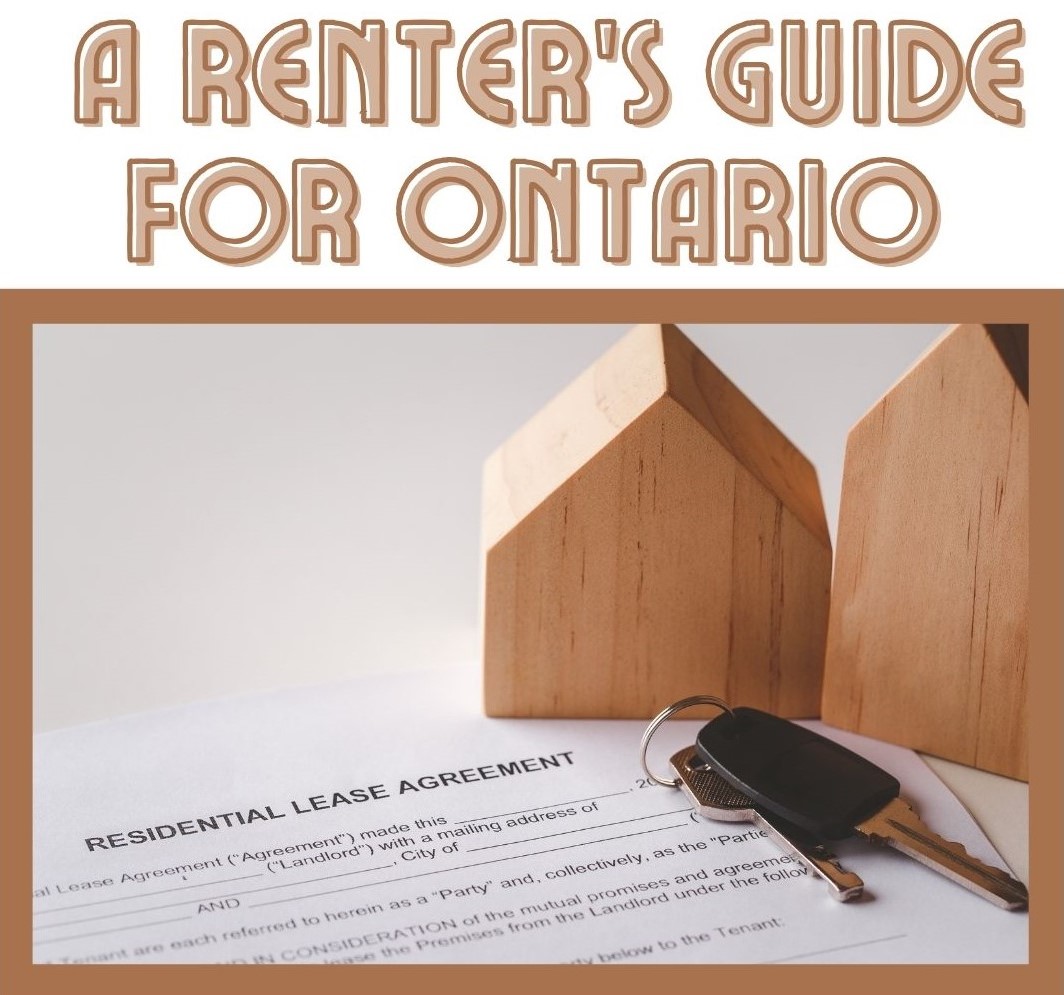
Last week, our guest author—Marilyn Monteiro, a Licensed Paralegal at Monteiro Paralegal Services, shared some insights into the key considerations Ontario landlords should keep in mind when renting out their property.
We continue with that theme this week by sharing information that is relevant and useful for prospective and current renters in Ontario. Canada’s ongoing housing crisis has also impacted its rental housing market, which is struggling with a lack of enough rental units, especially in the city of Toronto and other major urban centers across the country.
Ontario’s Residential Tenancies Act applies to most private residential rental units, including units in single and semi-detached houses, apartments, and condominiums, and secondary units, such as basement apartments.
In Ontario, a landlord cannot discriminate against you because of your:
- Race, place of origin, or ethnic origin.
- Religion.
- Sex, sexual orientation, gender identity, and gender expression.
- Family or marital status.
- Disability or age.
Below are some broad parameters prospective renters should bear in mind before embarking on a residential tenancy.
Lease agreement: A standard lease agreement with mutually agreed upon rental terms between the landlord and renter is a must for renting a room, apartment unit, or an entire home. The lease agreement should be easy to understand and should at the least specifically mention:
- The rent amount and when it’s due.
- What is included in the rent (utilities, parking, etc.)
- Rules applicable to unit or building.
- Rules applicable to landlord’s entry into your unit.
- Responsibility for maintenance and repairs.
- Policy on guests, visitors, or pets.
Rent increases: It is important for the landlord and tenant to negotiate the rent and rental terms before a tenancy begins. In Ontario, a landlord can increase the rent only once every 12 months and the province has capped rent increases at 2.5 percent for 2024 and 2025. A 90-day written notice of the rent increase has to be given by the landlord to the tenant before it takes effect.
Evictions: An eviction order from a landlord has to be issued by the relevant authority to be legally viable. It is also applicable to only specific situations, must be provided in writing using the proper form, and should clearly state the reason for eviction. Tenants have a right to appeal the eviction order.
While it is important to be mindful of all the legal implications of, and rights bestowed by a residential tenancy agreement, it is also important for both tenants and landlords to understand that such an agreement makes it imperative for them to follow and uphold certain responsibilities as well.
For instance, a tenant has the right to:
- A secure tenancy.
- Privacy.
At the same time, a tenant has the responsibility to:
- Pay their rent on time.
- Keep the rental unit clean and damage-free.
- Follow the mutually agreed-upon guidelines specified by the landlord in the tenancy agreement.
Landlords in turn should ensure:
- The rental unit is in a habitable state and follows health, safety, and maintenance standards.
- A copy of the written tenancy agreement is provided to the tenant within 21 days after the day it is signed by the tenant and given to the landlord.
- No disruption in the supply of utilities promised in the agreement, such as heat, electricity, fuel, gas, hot or cold water, etc. unless there is an urgent need to do so, such as for maintenance or repair purposes. Even then, advance notice for the same has to be provided.
Additional Resources
Renting in Ontario: Your rights
Rights & Responsibilities for Landlords & Tenants
Do get in touch with the RE/MAX Royal Team Sachdeva Realty for more information about any of your real estate needs.
Have a great weekend!