Welcome to the RE/MAX Royal Team Sachdeva Realty blog page, where we share information based on our decades-long expertise in the GTA real estate market to help buyers and sellers make informed and sound housing choices.


March 22, 2024

Selling Your Home As a Senior

Deciding to sell your home as a senior can seem a daunting task. And that is where we come in. The RE/MAX Royal Team Sachdeva Realty team specializes in working with seniors looking to sell their property, providing all-round support from start to finish during the sales process.

Whether it is getting a home appraisal or inspection done to assess your property’s market value to listing the property for sale, taking care of repairs or maintenance needs for your home, to ensuring that your home is showcased in the best way possible for prospective buyers, our team is here to help.

So, you have enjoyed the numerous benefits of living in a detached or semi-detached home and would now like to downsize to a smaller residence, such as a condo or an apartment, or even a seniors retirement facility. Here are some of the key things to keep in mind when you are considering making such a transition.

Housing is a major investment, use expert help to sell it

As we have said before, becoming a homeowner is one of the biggest expenses an individual or a family can undertake during their lifetime. When you decide to divest that investment, you should consult a licensed and experienced real estate professional who can offer sound advice on how best to navigate the sales process, earn top dollar for your home, and ensure that the sales process is quick and without unforeseen complications. 

Most experienced real estate professionals are also able to share professional referrals for a range of support services that seniors need during this process, such as tax counseling, financial and estate planning, and a host of other services related to completing the sale and relocating to your new place of residence.

Research housing trends, conduct a Comparative Market Analysis (CMA)

Before you decide to formally commence the process of selling your home, which includes hiring a professional realtor,

it is important to conduct some informal market research on your own. This can include conducting a Comparative Market Analysis (CMA), which helps you understand how your property compares with other comparable homes in the neighborhood.

Creating an informal list of the best or most attractive features of your home, the portions that need repair, maintenance, or replacement, etc. a realistic assessment of your current financial needs and the aspects that you would need most help with, such as estate planning, legal services, etc. allows you to ask your realtor the right questions when you start working with one.  

Determine the right price for your home

Conducting a thorough market research, whether independently or with the help of an experienced realtor, is important when you are ready to put your house on the market. Ask your realtor to help you understand the existing market dynamics, whether you are dealing with a seller’s or buyer’s market or a more balanced real-estate scenario. All of these factors will significantly inform the marketing strategy and sales outcome for your property.

Make sure you do not under-price or over-price your house. Arriving at the right listing price for your home will determine how many prospective buyers you are able to interest in purchasing your home. Once you have arrived at a final price, make sure you list your property on the Multiple Listing Service (MLS). This allows wider market access to your listing by numerous other realtors who are members of the real estate board, thus helping you cast a wider net for prospective buyers.

As always, please get in touch with us if you have any questions about selling or buying real estate in the Greater Toronto Area (GTA). We have over two decades of experience of working in the region and it would be our pleasure to assist you with your real estate needs.

Additional Resources

Ontario - A guide to programs and services for seniors

Have a great weekend!

March 15, 2024

Buying a Home? Expect To Pay These Closing Costs

Deciding to become a homeowner is one of the biggest expenses an individual or a family can undertake during their lifetime. That said, housing affordability and high borrowing costs continue to be the top concerns for prospective home buyers. And even if you have managed to save up for the hefty down payment and are confident about being able to afford your monthly mortgage payments, there are several other secondary costs related to purchasing a home that you would need to factor into your expense sheet before you decide to take the final plunge.

This week, guest author Angat Saini from Accord Law Professional Corporation writes about the typical closing costs related to buying a home in the Greater Toronto Area (GTA).

Land Transfer Tax (LTT)

Toronto homebuyers are subject to both provincial and municipal land transfer taxes. The LTT is calculated on a sliding scale based on the property's purchase price. For example, a $1,000,000 home in Toronto would be subjected to a provincial LTT of $16,475 and a municipal LTT of $16,475, with the total LTT adding up to $32,950. It is important to note that first-time homebuyers can qualify for LTT rebates, which allow for a maximum savings of $4,000 provincially and $4,475 municipally.

Legal Fees

Hiring a real estate lawyer is essential for navigating the complex legal aspects of a property transaction. Legal fees typically cover services, such as title searches, document preparation, and facilitating the transfer of ownership and mortgage registration. They typically range between $1,500 and $2,000.

Adjustments and Prepaid Expenses

Buyers may need to reimburse the seller for prepaid expenses, such as property taxes, oil or propane tanks, and maintenance fees. These adjustments ensure a fair distribution of costs between the buyer and the seller.

Title Insurance

Title insurance protects buyers from potential issues related to the property's title, such as outstanding taxes, boundary claims, and fraud. While not mandatory, a vast majority of buyers opt for this insurance for added peace of mind. You can expect to pay approximately 0.1 percent of your home’s purchase price for title insurance.

Home Inspection Costs

While not mandatory, a home inspection is advisable to uncover potential issues with the property. Inspection costs vary based on the size and complexity of the home but are a worthwhile investment to assess a property's condition. They typically cost between $500 and $1,000.

Home Appraisal Fees

Some lenders may require a professional appraisal to assess the property's value. Buyers would need to pay for this service, especially if it's a pre-condition for their mortgage approval. This fee is approximately $200 to $400.

Mortgage Insurance

Some mortgage lenders may require borrowers to obtain and pay for mortgage insurance. This cost can be a significant consideration for those with smaller down payments and is often overlooked. Many homebuyers are surprised to learn that the mortgage insurance, or often the tax levied on the mortgage insurance premium, is deducted from the mortgage advance.

Harmonized Sales Tax (HST)

While most resale homes are exempt, new constructions may be subject to HST. Buyers should be aware of the applicable taxes, as they can significantly impact the overall cost.

Homeowner's Insurance

Lenders often require proof of homeowner's insurance before finalizing a mortgage. Premiums vary based on factors like the property's location and coverage limits. Understanding and budgeting for these closing costs is essential for a smooth real estate transaction. Buyers should work closely with their real estate agents and legal professionals to ensure a comprehensive financial plan that encompasses all potential expenses.

If you have any questions about potential closing costs, please do not hesitate to contact Accord Law at 416-288-8000 or info@accordlaw.ca for a detailed quote. 

Have a great weekend!


March 8, 2024

Get A Home Appraisal To Improve You Home's Sales Prospects

As home buying and selling activity picks up across the Greater Toronto Area (GTA), and if you are seriously considering buying or selling this year, you might want to add getting a home appraisal to your checklist.

In this week’s blog post, we will focus on Home Appraisals – their purpose, value, types, and cost. And why getting your residential property appraised is important before you decide to sell or buy your home, townhouse, or condominium, etc.

What is a residential appraisal?

Homeowners can choose to get a residential appraisal of their property for a variety of reasons. But they must engage a licensed or certified appraiser to conduct the same. An appraiser assesses the current and approximate market valuation of a property, which is usually determined by several factors, such as location, size, condition, age, features, property values/recent home sale trends in the neighborhood or region, etc.

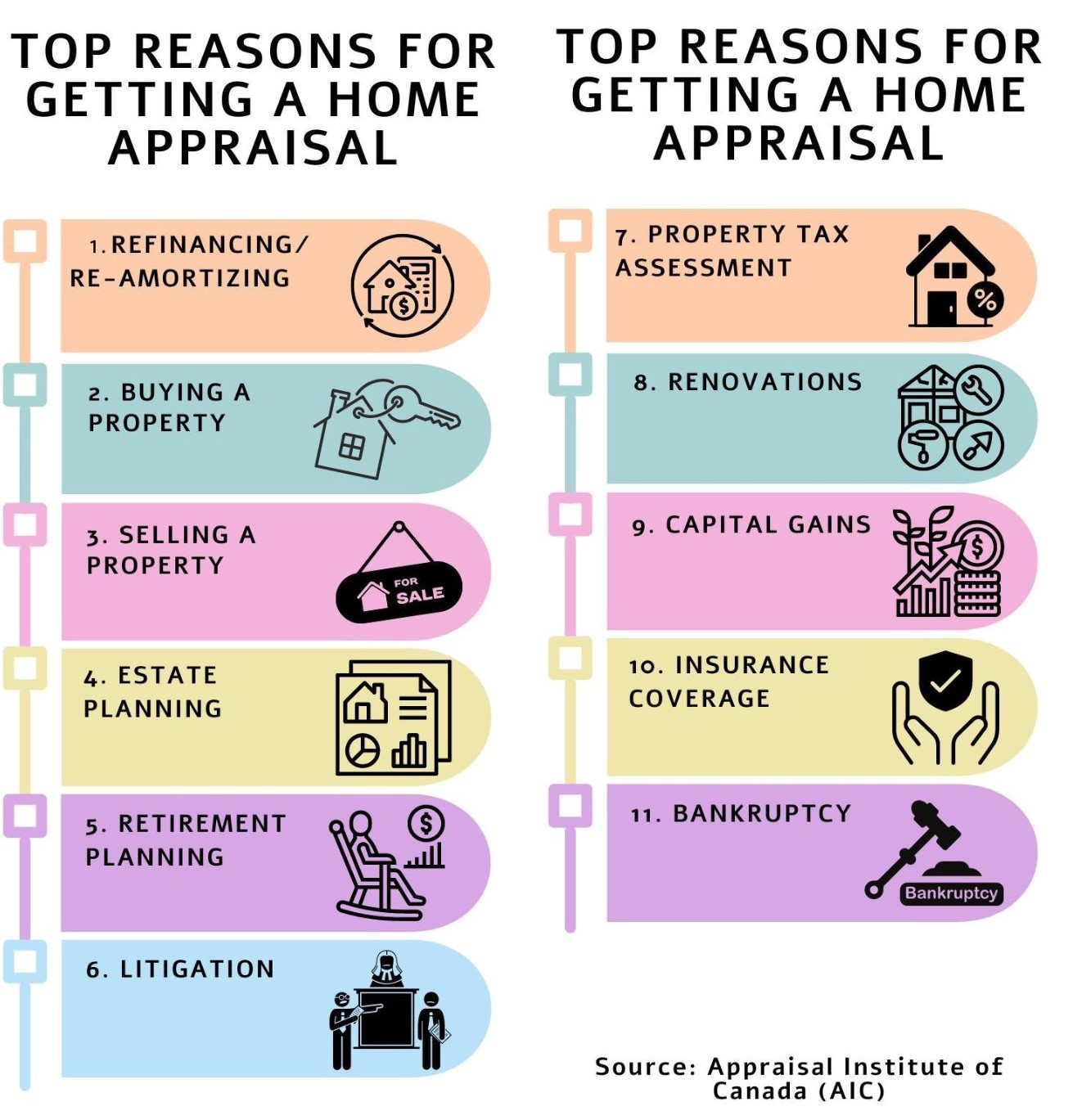
A homeowner typically gets their home appraised if they plan to sell that property, buy another, refinance their home mortgage, or need to have their house evaluated for tax assessment purposes. Costing anywhere between $300-$600, this fee is usually paid by the homebuyer or the person negotiating/renegotiating the mortgage.

Why get a residential appraisal?

Sellers opt for an appraisal to get a better sense of what their listing price should benchmark at. It also insulates them against any unpredictability in the sales process as they are already quoting a fair market value for their property.

For buyers, an appraisal allows them to estimate their spending budget, as very often the appraised value of a property they are considering buying will turn out to be lower than the listing price fixed by the seller. This can potentially impact the financing for the purchase, with the buyer being asked by the lender or bank to make a larger down payment to meet borrowing requirements.

In cases where the purchase agreement includes an appraisal contingency clause, the buyer can simply decide to walk away if they do not have the extra cash for a bigger down payment.

Key Information Appraisers Seek

  • Physical characteristics of the house and any other external structures.
  • Original date of construction, information about any major repairs/renovations done.
  • Interior/exterior home finishes, layout, physical measurements, parking space, etc.
  • Condition of the heating and cooling equipment, appliances, lighting fixtures, etc. 
  • Examine the quality of renovations/repairs, if done recently.
  • Sales/listing history of the property.
  • Neighborhood characteristics, such as location, proximity to transit, schools, other educational and recreational facilities, etc.
  • Information on comparable residential properties in the area.

We hope that the information shared above gives you a better understanding of the process involved in getting your property appraised. Just make sure you hire a licensed professional, who takes the time to explain the appraisal process to you, along with getting your permission to gather the necessary information needed to complete the appraisal. 

Some Useful Resources for Additional Information

Appraisal Institute of Canada (AIC)

A Consumer’s Guide to Understanding the Residential Appraisal Process

As always, if you have any questions or need further information, please feel free to get in touch with the RE/MAX Royal Team Sachdeva Realty team.

Have a great weekend!


March 1, 2024

Home Ownership in Canada-Housing For A Greener Future

Spring is around the corner—a breezy harbinger of wet weather, new blooms, and increased housing activity! With the GTA housing market expected to modestly rebound this year, now is the time to start planning those long-delayed renovations to spruce up your property for prospective buyers or just to boost your home’s value if you plan to sell later. 

Housing for a Greener Future

Whether you live in Canada or elsewhere, the real-life manifestations of climate change are hard to ignore. A milder-than-expected winter season preceded by the hundreds of wildfires scorching vast swathes of Canada last year (some of which are still burning!) are all urgent reminders of the grave transition our environment and the natural world are undergoing. As current or prospective homeowners, you can take certain steps that will help build a greener and more sustainable future for Canadians.

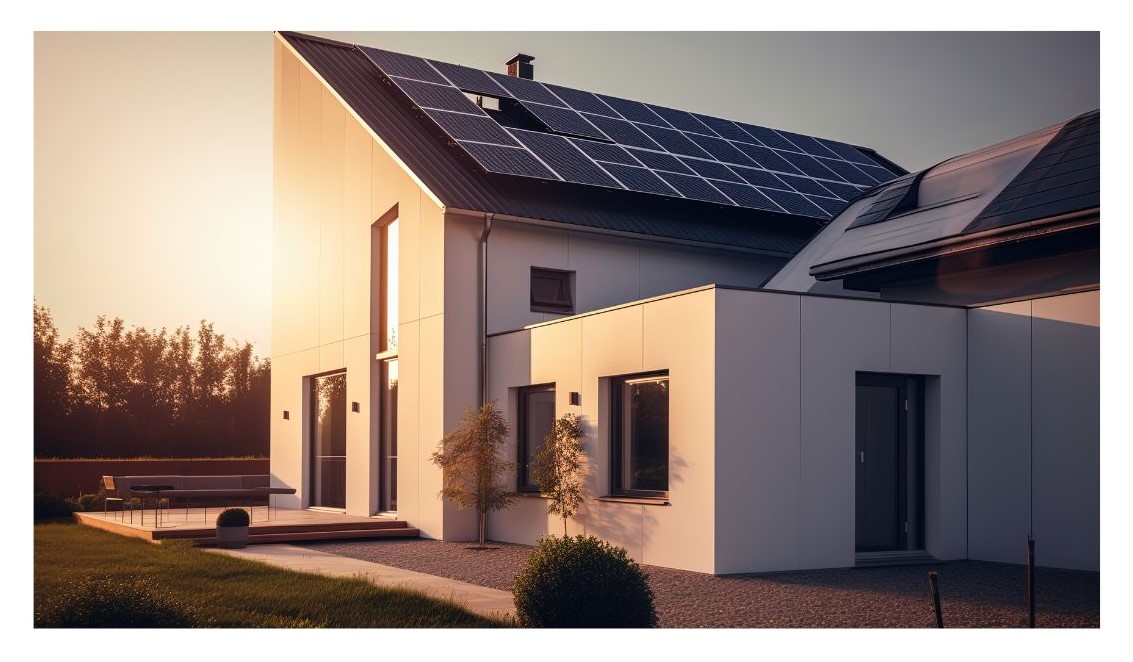
The Government of Canada’s Greener Homes loan program and the Oil-to-Heat-Pump Affordability program for homeowners provide financing for making homes more energy-efficient and comfortable. Offering up to $40,000 in interest-free financing, the Green Homes loan program allows you to retrofit your home based on recommendations made by an energy advisor.

The second program offers up to $10,000 to switch from expensive oil heating in your home to new, energy-efficient heat pumps.

Adopting some of these measures will result in considerable savings for you and your family and allow you to play an active role in helping reduce greenhouse gas emissions and building a safer and more environmentally friendly future for your family, and subsequent generations. So, check out these programs if you’d like to be part of that change.

Interest Rate Update

With a Bank of Canada rate cut announcement expected next week, many of you might be wondering how this will impact the overall housing market or your home-buying or selling decisions this year. A difficult economic climate over the last few years, growing inflation, and the persistent housing affordability crisis continue to deter many from entering the housing market.

Last week, we focused on the Toronto Regional Real Estate Board’s (TRREB’s) housing forecast for 2024, in which housing demand and supply are both expected to improve this year. Expected rate cuts from the Bank of Canada as the Canadian economy stabilizes gradually should contribute to this significantly. As a result, our readers can also expect some respite in borrowing costs and the average selling prices of homes in and around Toronto this year.

Tax Season is Upon Us

Details about all key deductions, credits, and expenses applicable to your personal income tax can be found here. Have the tax slips prepared by your employer, payer, issuer, or administrator ready. Make sure your CRA information is current.

Filing dates for 2023 taxes

  • February 19, 2024: Earliest day to file your taxes online
  • April 30, 2024: Deadline to file your taxes
  • June 15, 2024 (June 17, 2024, since June 15 is a Saturday): Deadline to file your taxes if you or your spouse or common-law partner are self-employed

Have a great weekend!

Feb. 23, 2024

TRREB's 2024 Market Outlook Offers Insights Into The Year Ahead

We are already more than halfway through the end of the first quarter of 2024, and housing activity in the Greater Toronto Area (GTA) is picking up at a faster-than-expected rate, outpacing most market predictions released last year and earlier this year.

The Toronto Regional Real Estate Board (TRREB) has also recently released an exhaustive report that includes market forecasts for the year ahead and some insightful observations on the current market conditions in the GTA. As expected, the country’s continuing housing crisis remains top of mind for most Canadians. The report points to the failure to build new housing at a rate that keeps pace with demand as a key contributor to the current state of affairs. It also cites a recent Canada Mortgage and Housing Corporation (CMHC) report, which estimates that an additional 3.5 million homes are needed by 2030 to restore housing affordability.

Here are some key takeaways from the TRREB report.

A quick look back at 2023

Sales, prices, and new listings in 2023 were down, compared with 2022.

  • Home sales dropped 12.1% from 75,047
  • New listings in 2023 slipped 8.6% to 142,233
  • Average price of $1,126,604 for all home types fell 5.4% from $1,190,749

2024 home sales will outpace 2023 sales

The TRREB report predicts GTA home sales will touch 77,000 this year, a substantial improvement over the less than 66,000 transactions seen in 2023. It also projects the average selling price to hover around $1.17 million in 2024, which would still be below the highs seen in 2022.

Surge in housing demand and supply

A homebuyers survey conducted by Ipsos for TRREB pegged the share of likely homebuyers for 2024 at 28 percent, the same as 2023. However, the percentage of people who said they were very likely to purchase dipped by two percent to nine percent. The survey attributed this to “heightened market uncertainty as it relates to borrowing costs and the economy in general.” The widely expected rate cuts later this year should help push down borrowing costs and fuel housing demand. Housing supply will also improve with new listings forecast to touch 150,000, driving up selling prices by about four percent.

Mortgage rates will continue to impact demand

The direction of mortgage rates will remain a key determinant of housing market conditions in 2024, according to TRREB. Rising/high borrowing costs significantly held back buyers in 2023, and many respondents in a TRREB-Ipsos survey reiterated that mortgage rates would need to decline noticeably before they would consider entering the market.


Higher immigration will drive up housing demand

Higher immigration will continue to drive demand for housing—both rental and ownership—during the next few years. The Ipsos survey findings also confirmed a higher propensity among immigrant households to buy homes, compared with people born in Canada. Overall, nine percent of the respondents said they were very likely to purchase a home in 2024. However, 21 percent of respondents who immigrated to Canada during the past decade said they were very likely to purchase a home in 2024. Most of these recent immigrants (68 percent) would also be first-time buyers.

Housing supply shortfalls will remain an issue

According to the report, the lack of housing supply in the GTA and southern Ontario more broadly is well-documented. The TRREB does not see new listings increasing substantially over the coming months, which will continue to impact the housing market. As per the results of the Ipsos survey, the number of homeowners likely (very likely or somewhat likely) to list their homes for sale in 2024 slipped two percentage points to 37 percent. Those who indicated they were very likely to list dropped by four percent to 14 percent.

Affordability continues to be a major concern

Survey respondents who plan to list their property for sale this year indicated several factors influencing their decision, such as wanting to upsize, downsize, retire, or choose to live closer to work. Compared with 2022, affordability concerns related to higher mortgage costs were also a key reason driving homeowners’ decision to sell. New research by the Canadian Centre for Economic Analysis (CANCEA) cited in the report reveals:

  • A household is living unaffordably if it spends more than 30% of its income on housing.
  • Households spending over 50% of their income on housing had a low well-being score of 6.79/10.
  • The social value cost attributed to housing unaffordability was about 1.75 times greater than that of cancer in the GTA.

As with any market forecast or analysis, we would suggest that you consider the information we have shared today keeping in mind your real-estate goals for 2024. As always, the RE/MAX Royal Team Sachdeva Realty team is available to assist you with any additional information you may need to help you consolidate your home buying or selling plans this year. So please do not hesitate to get in touch!


Feb. 16, 2024

Home Ownership in Canada-The Different Property Taxes You Have To Pay

Buying real estate in Canada, whether it is a home, land, or commercial property has become an increasingly expensive undertaking. While housing affordability concerns, higher interest rates, and an overall economic slowdown are significant contributing factors, burgeoning housing prices across Canada are also directly correlated to the spike in various cumulative taxes that determine the final price tag of any real estate transaction, as well as the long-term costs associated with being a homeowner or real estate investor.

In our last few blog posts, we have shared a comprehensive breakdown of the different housing options available in the city of Toronto and the Greater Toronto Area (GTA). It is our sincere endeavor to make sure that regardless of whether you are a first-time home buyer or not, you have sufficient information to guide and inform your buying decisions when you do decide to enter the region’s housing market.

In today’s post, we will focus on home-buying costs stemming from the various taxes that one has to pay in the course of owning, maintaining, or divesting real estate, and how these can considerably alter or impact buying decisions, especially for first-time buyers.

Irrespective of their type, property-related taxes are levied by the municipal, provincial, or federal government to shore up revenue reserves. In the case of municipal or provincial governments, these taxes help fund infrastructure needs and essential services, such as law enforcement/policing, education, healthcare/emergency services, and a host of public services provided by either or both levels of government.

Here are some of the taxes you can expect to pay if you are a homeowner or own any other kind of real estate in Canada.

Property Tax – A significant and lifelong expense associated with owning a residential or commercial property, this tax is based on the municipal government’s assessment of a property’s value (different from its market value) and the current residential rate. It is paid on an annual, bi-annual, quarterly, or monthly basis. In Ontario, property assessments are carried out once every four years.

The taxation rates can vary from province to province in Canada, based on how the property assessment is conducted, the funding needs of the local/provincial governments, and the property values in the region.

Taxes are collected by the local government from residential, commercial, and industrial property owners. A property tax has three components: a city tax, an education tax, and a city building fund. The city tax funds municipal services, such as waste management, public transportation, public safety, and emergency services. The local public education system is funded by the education tax, and the city building fund pays for building and maintaining city infrastructure and capital projects.

Land Transfer Tax – This forms a major component of your closing costs when you buy a new home or property. A one-time tax imposed by the municipal or provincial governments, or in some cases by both, this is usually paid at the time of closing a property sale by the buyer. Its amount varies based on the property purchase price, its location, and the local government’s policies. 

Estate or Probate Tax – Levied on the value of an estate, home, or property following the death of the owner, such a scenario triggers a probate or formal court process to determine the estate’s value and ownership, including the legal entitlement to subsequent costs/debts related to its sale. This also includes the issuance of an estate certificate. The estate tax is charged on the value of the estate at the time an estate certificate is applied for and is issued.

Harmonized Sales Tax (HST) – Imposed by the federal and provincial governments, this sales tax is paid when you buy a new home or substantially renovate your property.

Capital Gains Tax – When you earn a profit on the sale of your real estate property, you become liable to pay a Capital Gains Tax. It is not applicable if the sale involves your primary residence.

Underused Housing Tax - Also known as the Vacant House Tax, this is meant to discourage homeowners from leaving their properties vacant and is levied if a house remains unoccupied for more than six months in a year.

With over two decades of experience in the region’s real estate market, the RE/MAX Royal Team Sachdeva Realty team has been helping first-time home buyers, returning clients, and real estate investors make the right choices in the GTA’s constantly evolving property landscape. As always, please feel free to reach out to us if you have any questions or need further clarification about the information shared here.

Have a great weekend!

Feb. 9, 2024

Housing in the GTA-Other Types Of Home Ownership

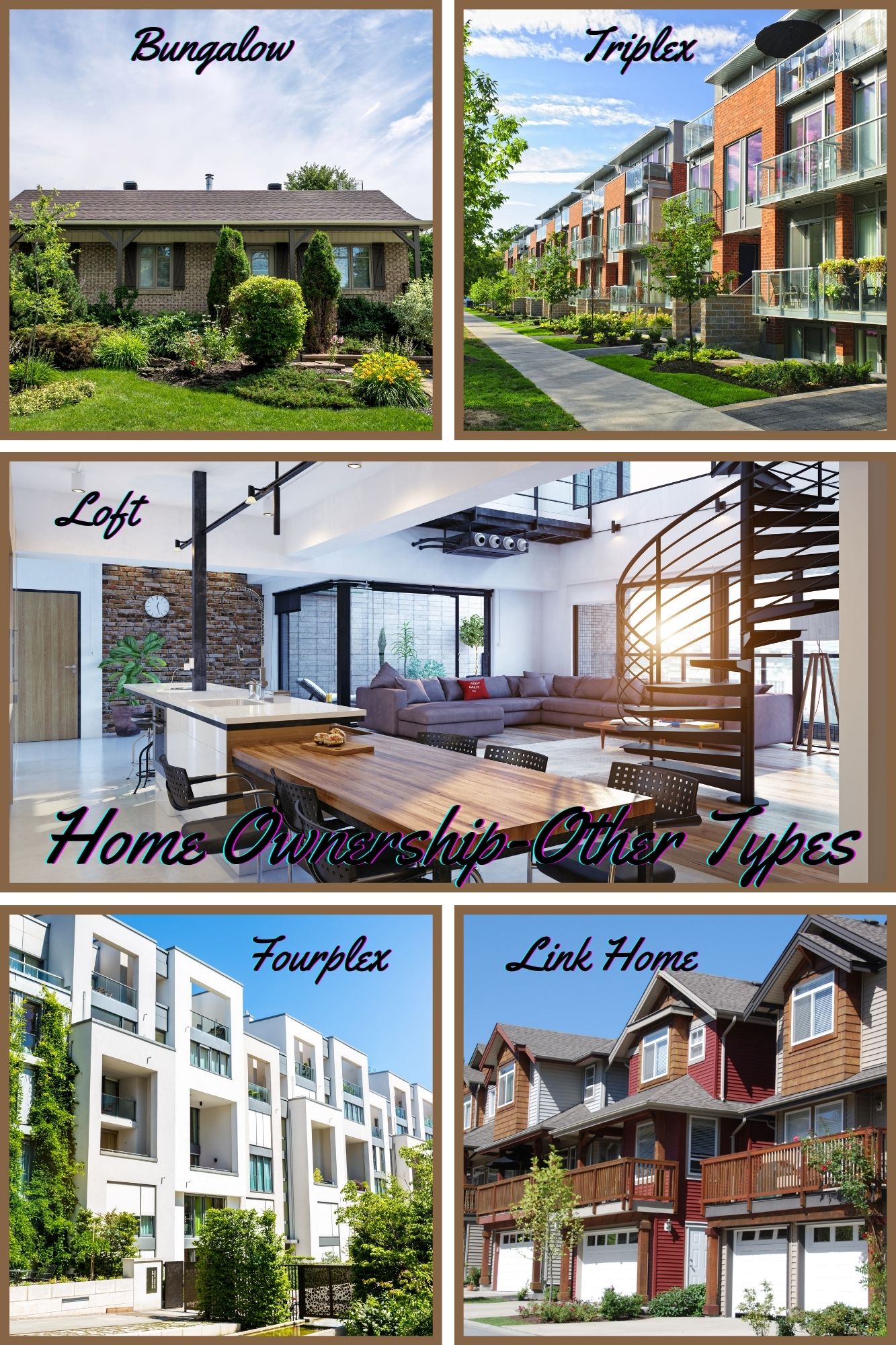
For the last few weeks, we have been sharing information on the different types of housing options available to home buyers in the Greater Toronto Area (GTA). While we’ve touched on the most easily identifiable and broad categories of housing, such as condominium apartments, condominium townhomes, semi-detached, and detached homes, today we’ll highlight certain housing types that a) might not necessarily fall under just one category or b) do not have the same recall value as the housing types or categories discussed in earlier blog posts.

The RE/MAX Royal Team Sachdeva Realty team has over two decades of experience in the region’s real estate market, helping first-time buyers, returning clients, and real estate investors make the right choices in the GTA’s fast-changing property landscape. With the milder winter season on its last legs, housing market activity is expected to pick up soon.

We hope that these weekly information digests have offered relevant and timely information that can help our readers understand and gain better insight into Toronto’s diverse housing market, especially for those of you who are considering buying or selling property this year.

Toronto housing options other than condos, townhomes, semis, and detached homes:

Link Houses – Often mistaken for detached homes, this type of housing appears to be physically detached from the neighboring property but is still linked in one way or another—either foundationally or through a shared basement or garage wall with the adjoining home—and is not easily apparent. For this reason, these homes are usually categorized as semi-detached housing and are popularly known as link homes.

A great option for first-time home buyers, these homes offer privacy to some of the extent that detached homes do and are more affordable than detached homes. However, given the “linked” aspect of their construction, it is difficult to make any physical changes or renovations to the main housing structure.

Lofts – This type of housing finds a distinctive appeal among young professionals or artists and is usually located in the heart of any urban center’s downtown core. Featuring high ceilings, large windows, and an open-concept layout, loft living can be further categorized into “soft” and “hard” lofts.

Both these categories share a common housing style, wherein a former industrial or commercial building or a warehouse has been converted into multiple housing units. A soft loft usually camouflages the raw or unfinished appeal of a hard loft with more modern design and fixtures.

Hard loft units are usually reflective of a singular design with each converted living space or “loft” different from the other. Retaining the original design elements of the building, such as exposed brickwork or ductwork, these are considered ideal for homeowners or renters who prefer a “no-frills and authentic” interior décor.

Bungalows – In Canada, a bungalow is defined as a “one-storey” home. This type of housing usually does not figure among the newer-build housing stock and is reminiscent of older housing built in Canada, especially in rural areas. Usually clubbed under the broader detached homes category, a bungalow’s distinctive feature is that unlike a split-level or multi-story home, all the living areas and bedrooms in the unit are located on the same level. It may or may not have an attached basement unit. Additionally, bungalows are typically built on a bigger lot that offers sizeable outdoor space in the front and back, allowing more privacy and independent living than a semi-detached home or townhome, but similar to that of a larger detached home.

Split-level Houses – Again figuring significantly among the older housing stock built in Canada, split-level homes have a unique design and architecture focussed on maximizing vertical space, and offer different layouts based on individual housing requirements. Most split-level housing aims to make judicious use of the available floor space based on a layout that spreads the main floor across different levels that are interconnected by a small stairway.

For instance, a side split home would feature the living area, kitchen, dining room, etc. on the main level, with the bedroom and bathroom on a second level located a few stairs up on the left or right side. Similarly, a back-split home features the living area, dining space, kitchen, etc. on the main level, with the remaining rooms/spaces stretching into the back of the house but perched a few steps up.

Duplex, Triplex, or Fourplex Housing – Defying strict categorization, these homes are usually defined by the number of floors built in the structure. As their names suggest, a duplex is usually an apartment or home with two floors, a triplex with three, and a fourplex with four levels. Duplexes are often confused with semi-detached homes, but strictly speaking, are a category unto themselves. Apartment units in this category feature a single building with two, three, or four floors, with each unit having a separate entrance. On the other hand, homes with two, three, or four floors could have a single or multiple owners co-sharing the space.

As with any major metropolis across the world, Toronto’s housing market offers and exciting and diverse mix of housing stock that caters to a wide array of preferences and budgets. If you are looking to buy or sell a home in the GTA in 2024, please do not hesitate to contact the RE/MAX Royal Team Sachdeva Realty team for assistance or guidance.

Feb. 9, 2024

A Note from RE/MAX Royal Team Sachdeva Realty

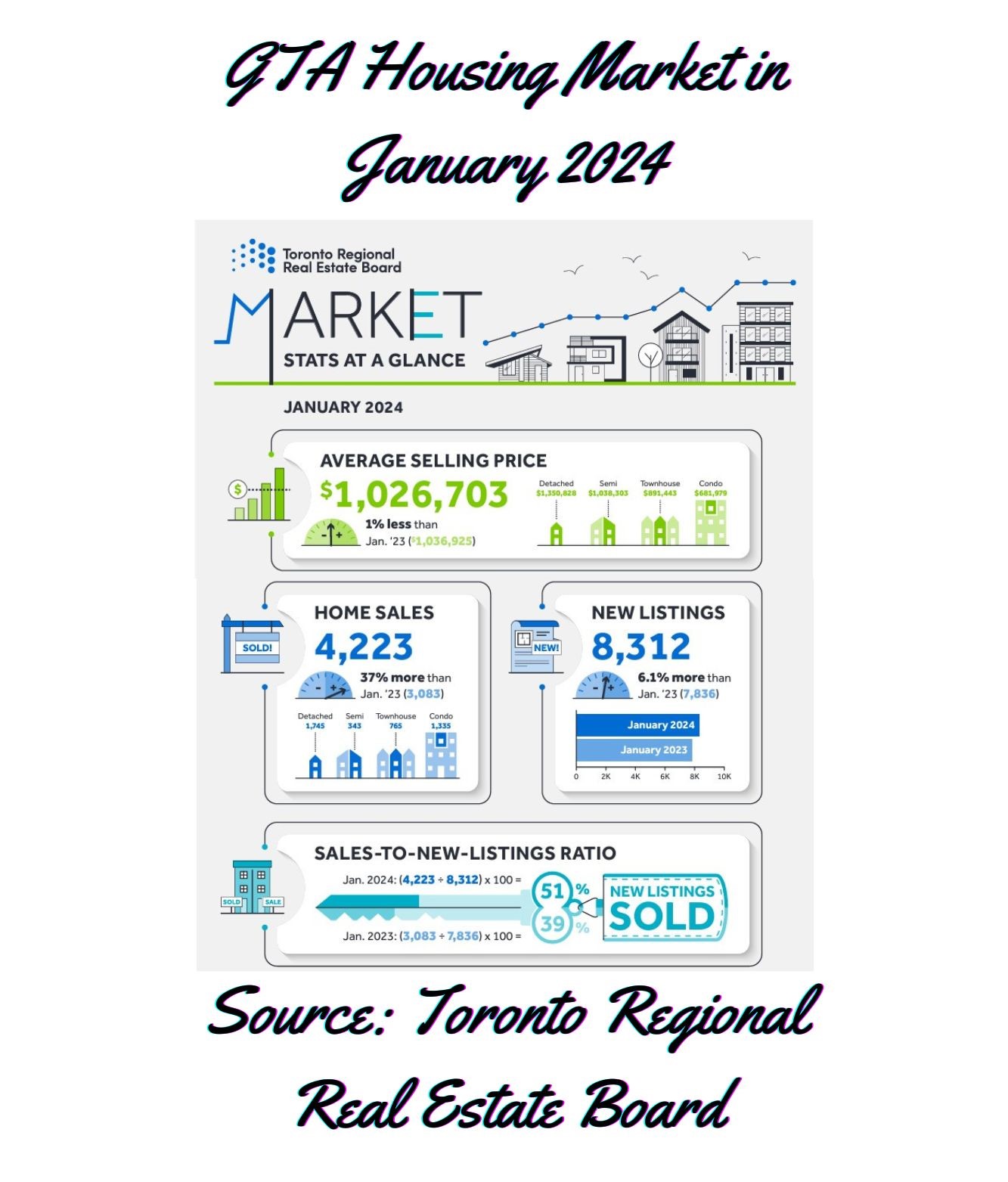
A great start to 2024! Despite the winter weather and the higher-than-usual borrowing rates, January’s 4,223 sales were 37% higher than January 2023. The desire for home ownership remains high! Unfortunately, while the number of new listings was up, they were only up 6%, highlighting tighter market conditions and raising the specter of bidding wars to come. When? Well, it has already started to a lesser degree, but will really become headline news as the Bank of Canada starts cutting its borrowing rates, likely in the second half of 2024.

Toronto real estate prices reflect immigration to Canada.

As our population continues to increase, and the government's lack of response to keeping housing starts at a level to satisfy demand, prices have risen and will continue to rise dramatically. While all levels of government talk about increasing housing starts, it seems to be more of an opportunity to garner votes rather than solving the problem. As I have been saying for years, the land is there, and builders are willing and able. The governing bodies are just not willing to change or streamline a red tape system that takes years to get a building permit rather than months.

How about building more rental unit buildings to supply demand? Good idea! But with an unreasonable rent control system and a poorly and unfairly implemented Landlord and Tenant Act, few builders are prepared to build rental units. While the idea of rent controls is a good one, unless it’s properly implemented, being fair to all parties, it eventually fails all parties.

While the situation is challenging, it represents an opportunity. House prices and rents will continue to increase! If you are considering upgrading your current home, or looking to purchase an investment property, great real estate opportunities exist today! If you have a child who will be entering university in a few years, perhaps a pre-construction condominium might be the right fit. Give me a call, let's talk, after all, you have a friend in real estate.

Have a great February!


Feb. 2, 2024

Housing in the GTA-Detached Home Ownership

Each week, we have been sharing a brief overview of the different types of housing options available to home buyers in the city of Toronto and its suburbs. The RE/MAX Royal Team Sachdeva Realty team has over two decades of experience in the region’s real estate market, helping first-time and returning buyers and real estate investors make the right choices in the GTA’s fast-changing property landscape.

For many first-time buyers, the GTA’s real-estate market seems difficult to navigate given the current and predominant narrative around affordability and the lack of viable housing options available in the market. While this is true to some extent, we would like to reassure our readers that the GTA still offers some great options to families—small and large—who want to live and build a successful future here.

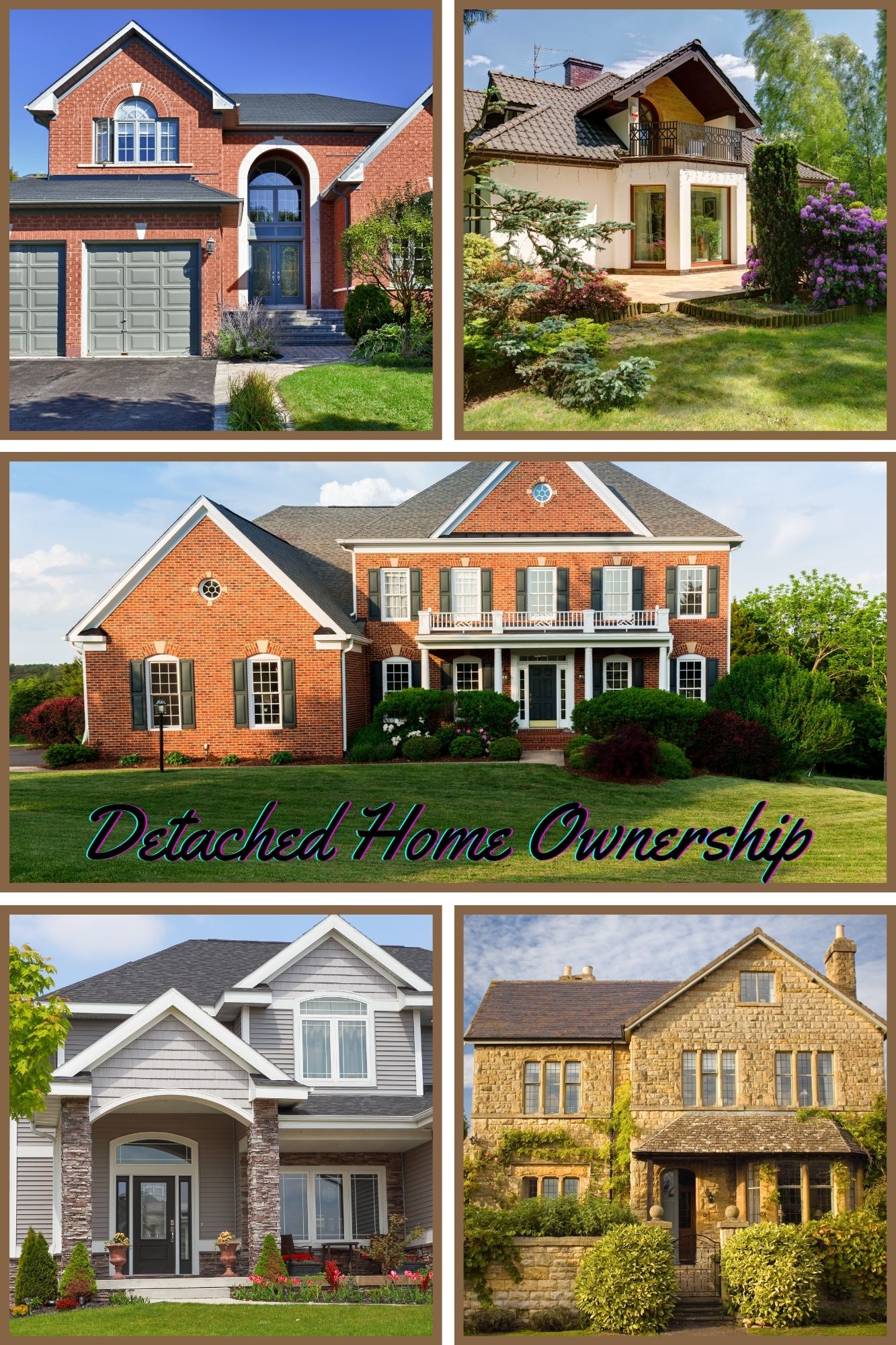
If you are looking to buy a detached home with an old-world charm and interesting architecture, many neighborhoods in the city of Toronto offer a range of options that would pique your interest. Alternatively, if you are looking to buy a home with more modern construction and design, an open-concept layout, or a property that offers more value for money, then you should consider exploring the housing options available in Toronto’s suburbs, which are also varied and plentiful.

Buying a Detached Home in the GTA

Perhaps now more so than ever, owning a detached home in the GTA seems to be an insurmountable challenge for most families. However, market conditions are expected to favor buyers in 2024 so read on to find out a little more about the detached housing options available in the region before you take a final home-buying decision.

Detached homes make up nearly half of the housing stock available in many neighborhoods across Toronto and its suburbs and stand out based on the fact that they do not share any walls with the neighboring property. This not only lends detached homes an air of exclusivity but also allows homeowners to enjoy more privacy and independence, compared with a semi-detached home or a condominium townhouse

For this reason, and the fact that detached homes also have larger outdoor and indoor spaces, they are more expensive than all other housing types, and continue to reign at the top of the housing pyramid as the most sought-after option by homeowners. At the same time, owning a detached home comes with its own set of responsibilities. One should seriously consider these factors before choosing to take on this “expensive undertaking.”

Some Key Advantages of Detached Homes

  • Size and space: Detached homes offer the perfect environment for growing families, given their abundance of space—both external and internal.
  • Privacy: Unless located near a thoroughfare or a densely populated or commercial area, detached homes usually offer immense privacy and independence to homeowners.
  • Ownership: A detached home affords owners the luxury of complete control over the maintenance and upkeep of the house, with little to no interference from a homeowner’s association or a condominium corporation.
  • Better ROI: Becoming a detached homeowner usually offers significant returns on investment, especially in the GTA real-estate ecosystem, which has been booming for a considerable period now and is expected to appreciate further given the continuing influx of immigrants into the region.
  • Strong sense of ownership and family: Despite the current tumultuous economic climate, home ownership continues to be one of the most aspirational endeavors for most families and an enduring social marker of family legacy and belonging.

Some Key Disadvantages of Detached Homes

  • Maintenance costs: While detached homes offer a lot of independence, they also come with the added responsibility of the homeowner being the sole bearer of all near- and long-term maintenance costs.
  • Higher property taxes: Since detached homes cost more, given that homeowners typically also own the land on which the house is located, they end up paying more in property taxes to the government.
  • Affordability: For the reasons listed above coupled with the considerable surge in home prices during the pre- and post-pandemic years, owning a detached home in the GTA has become increasingly out of reach for many families.

Detached Homes—Price and Expenses

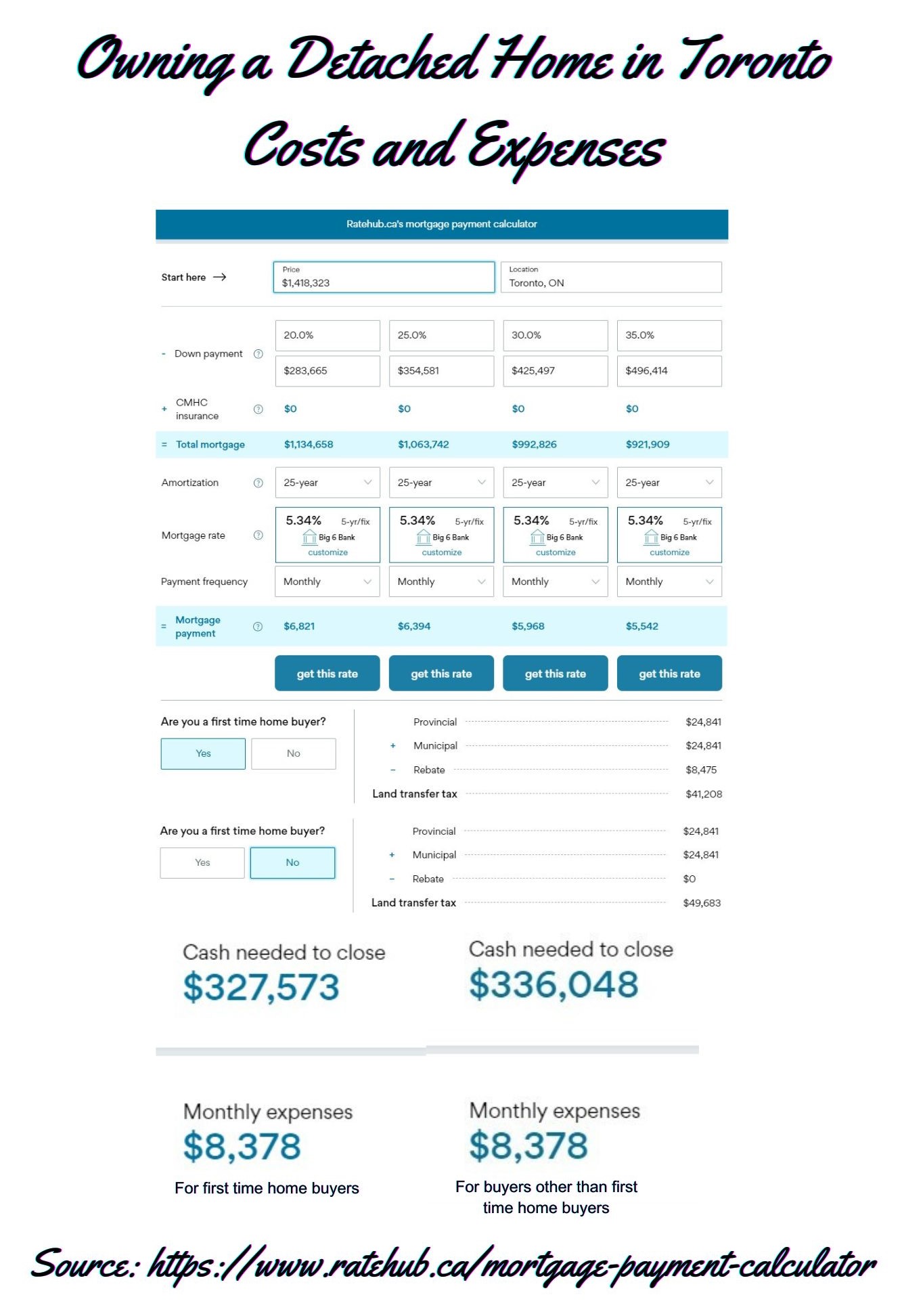
According to data from the Toronto Regional Real Estate Board (TRREB), the average price of a detached home in Toronto was pegged at $1,418,323 (As of 2023-end). Assuming that you would need a minimum 20% percent or $283,665 in down payment to consider buying this kind of property, we are sharing below a breakdown of some of the core expenses you will incur during the buying process. If you have more questions or need more clarification, get in touch with us for more information.

The RE/MAX Royal Team Sachdeva Realty team also offers free home evaluations to residential property owners. If you are looking to sell your detached home or buy a new one, contact us for a detailed evaluation of the property you are interested in.

Jan. 26, 2024

Housing in the GTA-Semi-Detached Home Ownership

What is a Semi-Detached Home?

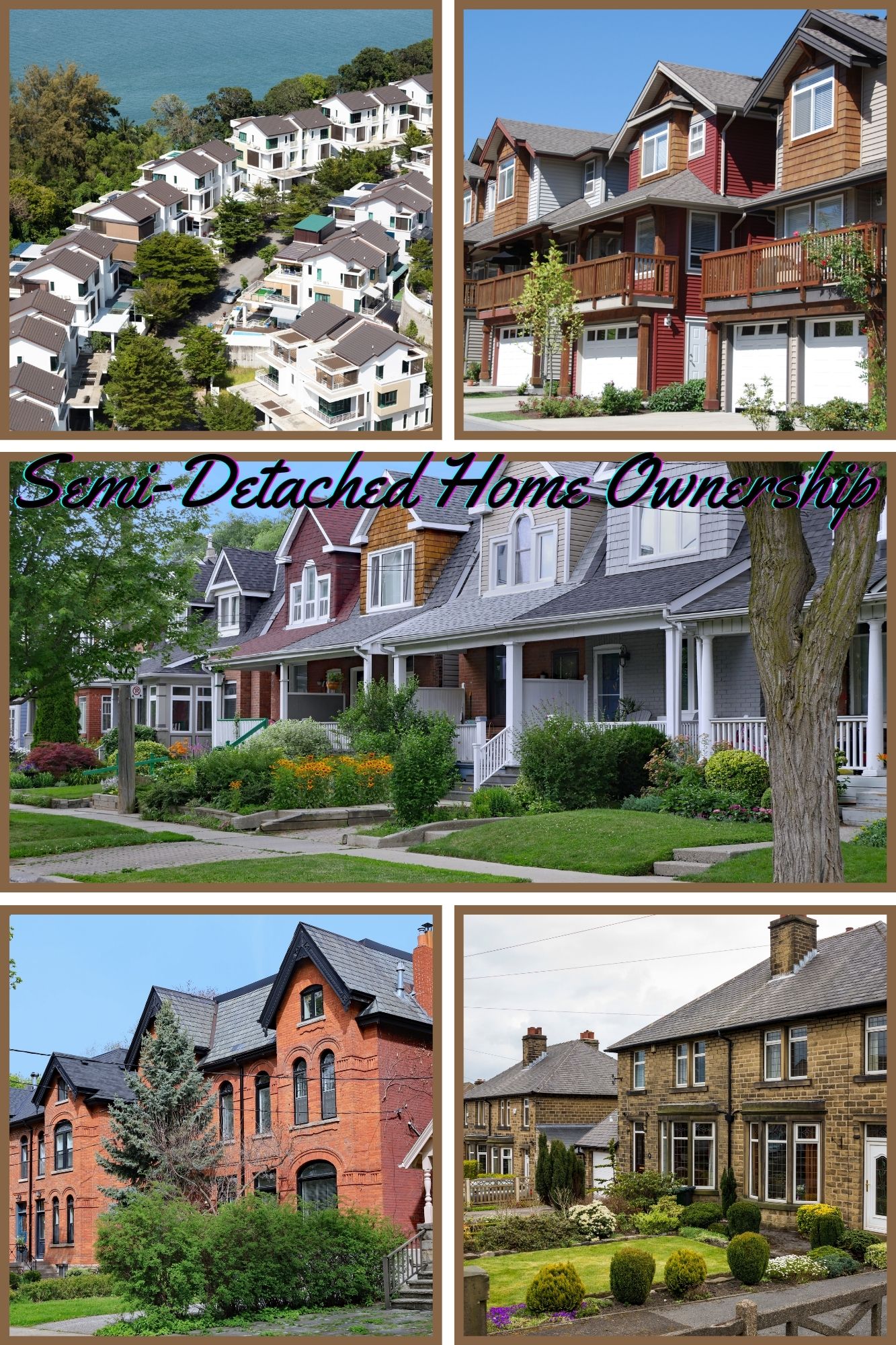
A semi-detached home is in some ways the perfect in-between option when choosing between buying a detached home—which is much more expensive and has higher maintenance costs, and a townhome—which offers far less space and privacy. A semi-detached home shares a common wall with the neighboring house, which is why it's termed “semi-detached.”

They are also commonly referred to as “semis” or “half houses” and usually have two or three stories, offering a more spacious environment. If you have a growing family or need more space, but still have a limited budget, then a semi-detached home might be the perfect way to upscale your home ownership.

The average size of a semi-detached home in the GTA is usually between 900-1800 ft², not including the basement.

Some Key Advantages of Semi-Detached Homes

  • More affordable.
  • Easier and less expensive to maintain, given their smaller yards.
  • Have lower construction costs, given the “shared” wall/fence/garage aspect.
  • Lower heating costs in the winter, given the “shared” wall aspect.
  • Lower property taxes.
  • Great option for entering the independent housing market at a more affordable price point.
  • Great option if you are looking to downsize but still want to maintain home ownership.

Some Key Disadvantages of Semi-Detached Homes

  • Noise can still be an issue, given the “shared” wall/fence/garage aspect.
  • Less privacy vis-à-vis detached homes.

Semi-detached homes in Toronto (416 Area Code)

Toronto offers a sizable and varied semi-detached housing stock in terms of design, age, and size. The bulk of these houses were built in the pre-World War era but given the quality of materials used and solid workmanship, most are still in very good condition. This is also partly because of the regular upgrades/renovations and maintenance these homes have undergone.

If you are a connoisseur of vintage homes, you can find many of these older semi-detached homes in the downtown core of Toronto city, which showcase the different architectural styles in vogue during the period.

Semi-detached homes in Peel, Durham & York (905 Area Code)

The 905 area code features a variety of newer semi-detached homes that boast contemporary renovations and thoughtfully designed floor plans. These semis typically include three bedrooms and three bathrooms, with luxurious touches such as a master bedroom equipped with a five-piece ensuite washroom. The main floor is designed with a modern, open-concept layout, showcasing modern kitchens and the comfort of a gas fireplace. Over time, the utility of semi-detached homes in the 905 area has experienced a notable increase, attributed to ongoing improvements made by builders who actively listen to the demands and preferences of discerning buyers. 

Semi-Detached Homes—Price and Expenses

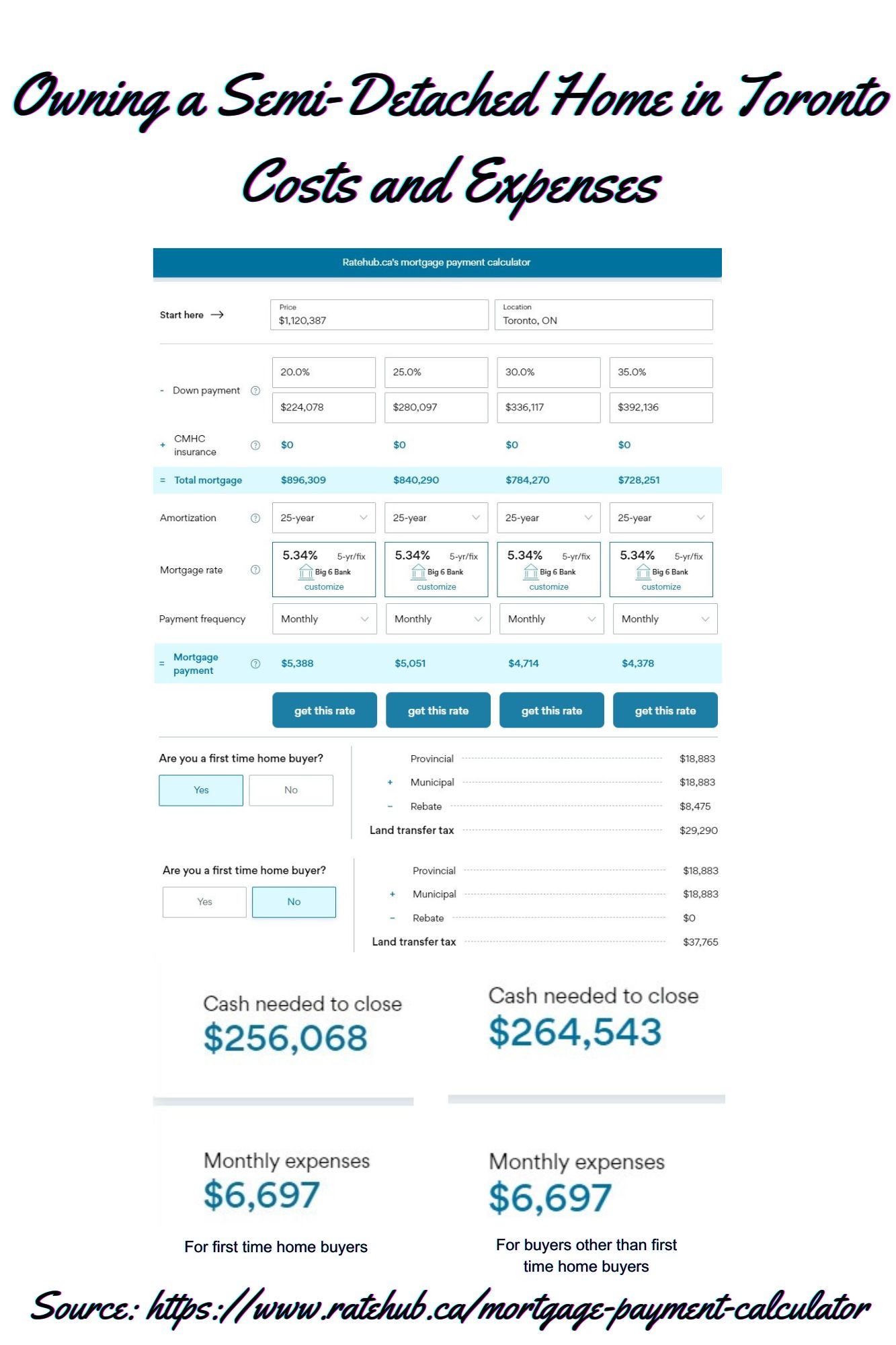
According to data from the Toronto Regional Real Estate Board (TRREB), the average price of a semi-detached home in Toronto was pegged at $1,120,387 (Year-to-Date 2023). Assuming that you would need a minimum 20% percent or $224,077.4 in down payment to consider buying this kind of property, we are sharing below a breakdown of some of the core expenses you will incur during the buying process. If you have more questions or need more clarification, feel free to contact us for more information.

The RE/MAX Royal Team Sachdeva Realty team has over two decades of experience in the region’s real estate market. We can help you find the right home if you are looking to enter the market this year, upsize from your condominium apartment or townhome, or downsize from your detached home. We also offer free home evaluations to residential property owners. If you are looking to sell your semi or buy a new one, contact us for a detailed evaluation of the property you are interested in.